The most common question our support team receives is simple: 'How long will this battery last in my house?' The answer depends on three things — your battery's usable capacity, your home's actual power draw, and your inverter's efficiency. Here is how to work it out in under five minutes.
The Formula
Backup Time (hours) = (Battery Capacity in kWh × Depth of Discharge %) ÷ Home Load in kW. For LiFePO4 batteries, use 80% DoD. For tubular lead-acid, use 50% DoD. Then multiply by 0.92 to account for inverter losses.
Step 1 — Measure Your Load
- List every appliance running during backup. Check the wattage label on each device.
- Lights: 8–15 W per LED bulb. Six bulbs = ~60–90 W.
- Ceiling fans: 50–75 W each. Three fans = ~150–225 W.
- TV (32–55 inch): 40–120 W.
- Router/decoder: 15–25 W combined.
- Fridge (medium): 80–150 W average draw (compressor cycles, so not constant).
- 1.5 HP inverter AC: approximately 1,050–1,300 W at full load.
- Example modest home (no AC): lights + fans + TV + router + fridge ≈ 500–800 W total.
- Example home with AC: add 1,200 W → total 1,700–2,000 W.
Step 2 — Worked Examples with Joshville Batteries
- Itel 5 kWh LiFePO4 (4 kWh usable) ÷ 0.7 kW load × 0.92 = ~5.3 hours. Good for a 2-bedroom flat.
- Gospower / Dyness 10 kWh (8 kWh usable) ÷ 0.7 kW × 0.92 = ~10.5 hours. Covers a 3-bedroom home all night.
- Gospower / Dyness 10 kWh (8 kWh usable) ÷ 1.8 kW (with AC) × 0.92 = ~4.1 hours. Enough for a night with AC on timer.
- Suness 15 kWh (12 kWh usable) ÷ 0.8 kW × 0.92 = ~13.8 hours. Two consecutive nights for a modest load.
- Itel 16 kWh (12.8 kWh usable) ÷ 1.5 kW × 0.92 = ~7.9 hours. Large home with moderate AC usage.
How Solar Recharging Changes the Equation
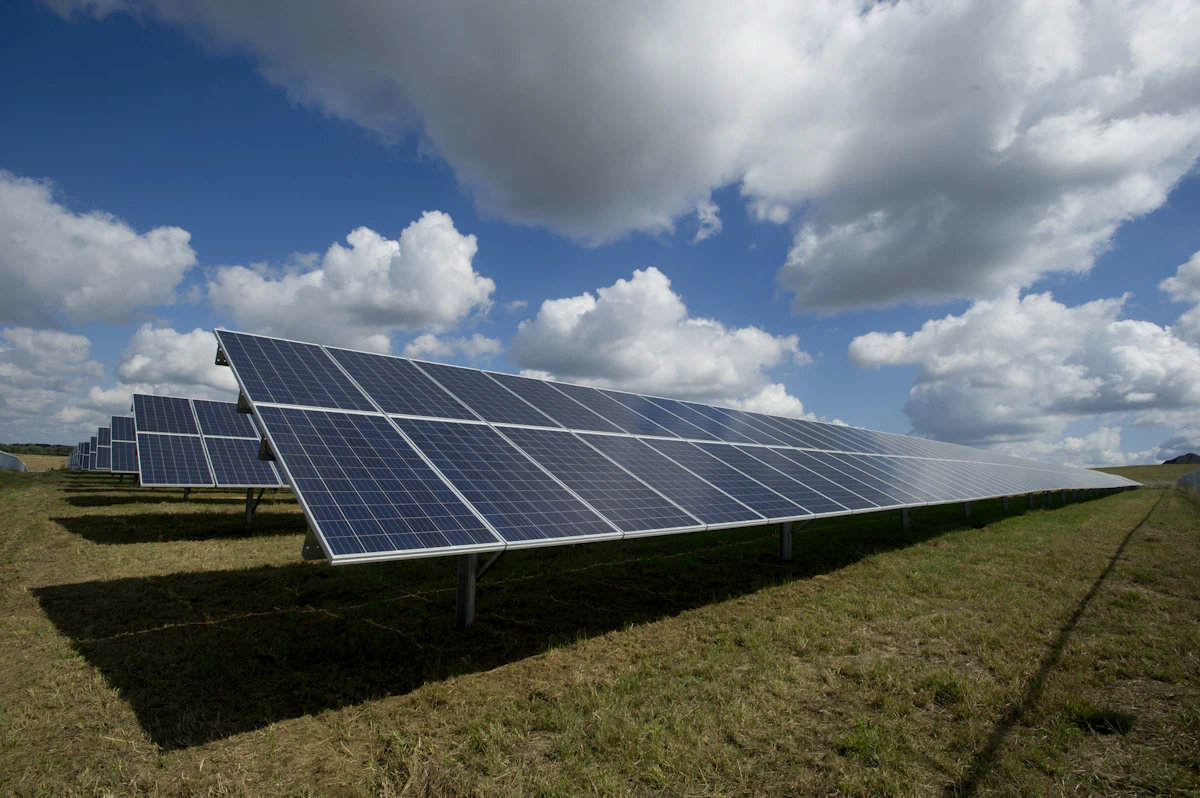
If your solar panels are generating power during the day, your battery starts the evening fully charged regardless of what NEPA did overnight. A 3 kWp array in Lagos generates 12–15 kWh on a good day — enough to fully recharge a 10 kWh bank and still power daytime loads. The battery backup calculation above tells you how to size for the worst case: a grid outage that runs from 6 pm through the following morning with no solar generation.
Common Mistakes That Shrink Your Backup Time
- Using nameplate capacity instead of usable capacity. A '10 kWh' battery is not 10 kWh of usable power — apply DoD% first.
- Forgetting inverter losses. Budget 8–10% for heat and conversion inefficiency.
- Underestimating standby loads. Chargers, decoders, and smart devices add 50–100 W invisibly.
- Ignoring battery age. A LiFePO4 at 80% state of health after 5 years delivers 80% of its rated usable capacity — recalculate as the bank ages.
- Oversizing load estimates for AC. If you only run the AC for 3 hours at night, use 3 hours of AC load, not 8.
Find the Right Battery for Your Load
Shop by Capacity
- Browse all batteries & energy storage
- Itel LiFePO4 51.2V 5kWh — small homes & flats
- Gospower Lithium 51.2V 10kWh — 3-bedroom standard
- Dyness Power Box Pro 51.2V 10.24kWh — expandable system
- Itel LiFePO4 51.2V 16kWh — large homes & AC loads
- Solar Battery Buyer's Guide for Nigerian Homes
- Lithium vs Tubular Batteries for Nigeria
- How to size batteries for a 3-bedroom home